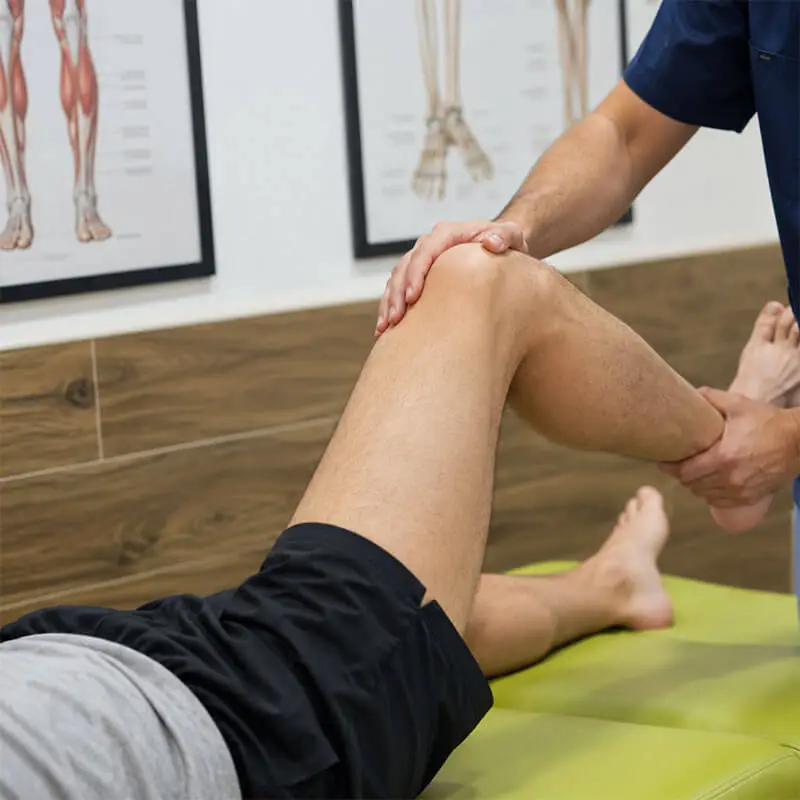
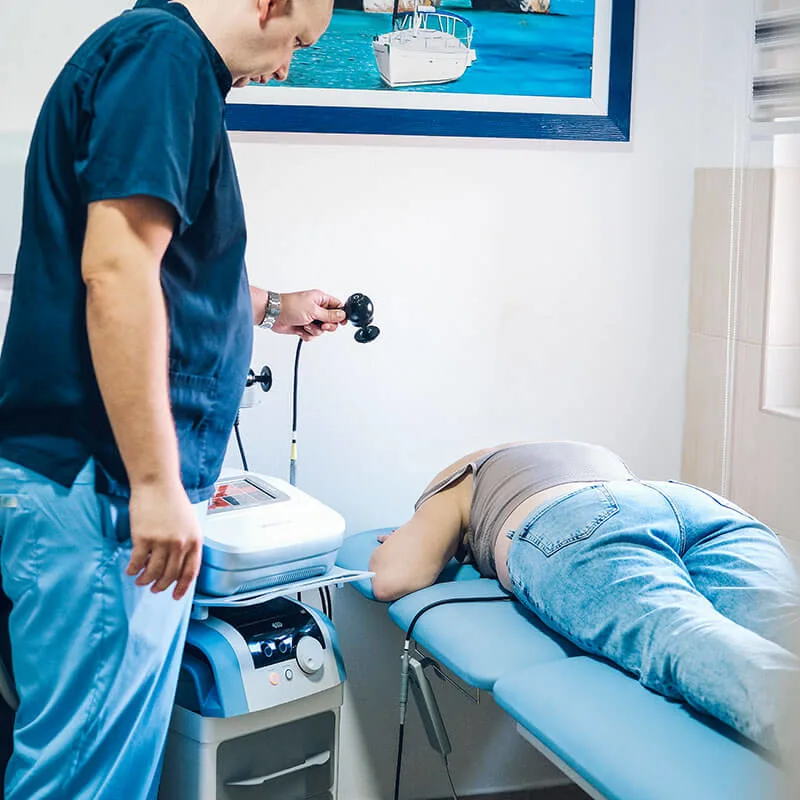
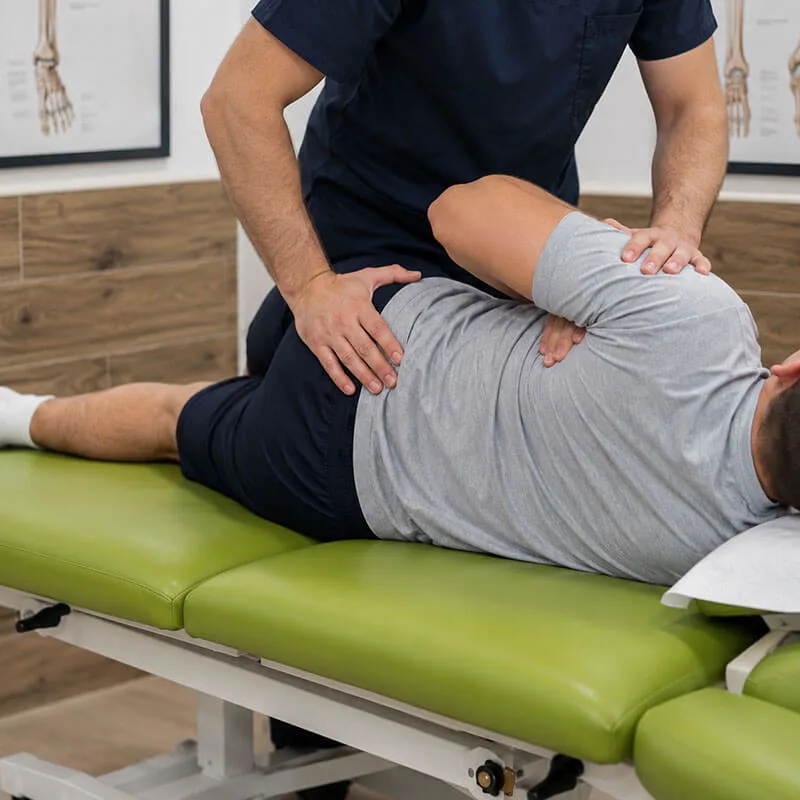
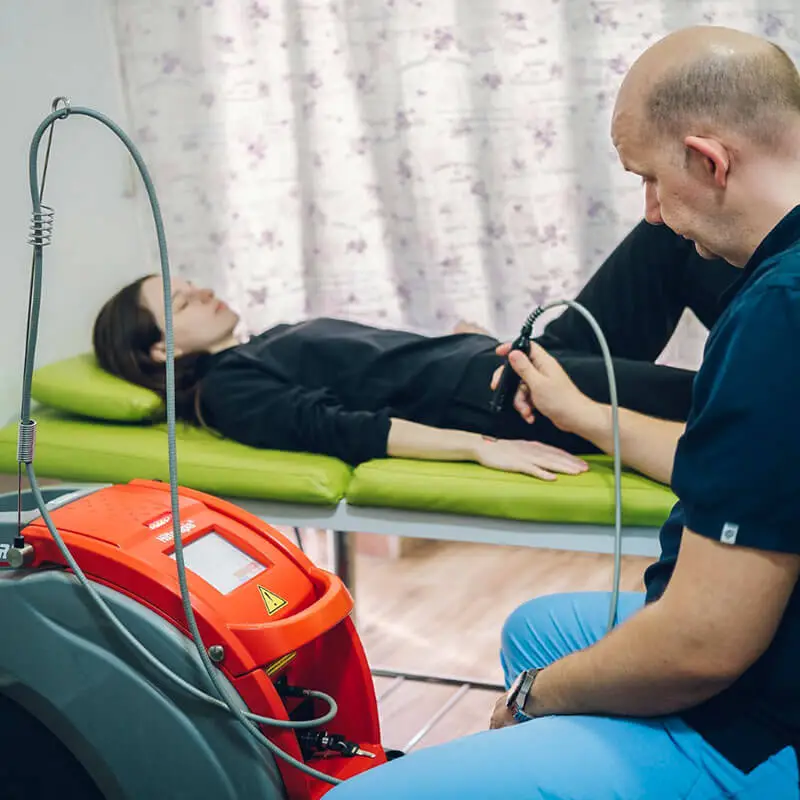
Therapeutic massage is one of the oldest and most commonly used physical therapy methods for relaxing muscles, reducing pain and improving circulation. Different manual techniques are applied to muscles, tendons and soft tissues to relieve tension and support the body's natural recovery processes.
Massage may have therapeutic, relaxing or rehabilitative effects, depending on the patient's needs. When performed properly, it can help reduce muscle tension, improve blood flow and contribute to a general feeling of relaxation and easier movement.
At our clinic, therapeutic massage is used as a standalone procedure or as part of a broader physical therapy program in combination with other rehabilitation methods.
The role of massage in rehabilitation
Therapeutic massage can play an important role in musculoskeletal recovery, especially in cases of painful muscle tension, overuse and prolonged physical stress.
Massage may help with:
- relaxing tense and painful muscles
- improving blood and lymphatic circulation
- reducing pain and stiffness
- supporting faster recovery after physical exertion
- improving mobility and flexibility
- reducing stress and promoting overall relaxation
Depending on the patient's condition, massage may be used as preparation for other therapeutic procedures or as an addition to an active rehabilitation program.
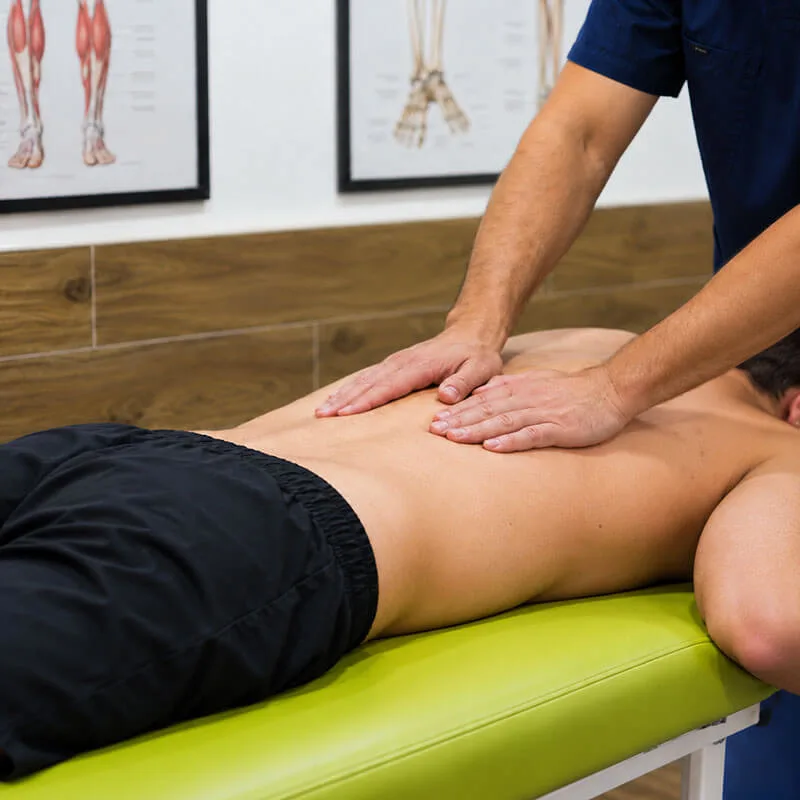
When is therapeutic massage recommended?
Therapeutic massage is recommended for various conditions involving muscle tension, back and neck pain, muscle overuse, general fatigue and stress.
It is often used for pain in the spine, shoulders and neck, sports-related strain, prolonged sitting, poor posture and chronic muscle tension.
Regular therapeutic massage may help improve mobility, reduce pain and support long-term musculoskeletal health.